You Would Not Believe Your Eyes
I have fond memories of seeing these little beetles and losing my ever loving mind trying to think of something to catch them in. You'd find a glass jar, a styrofoam cup, or even a water bottle and stuff some grass and sticks in there for them to walk on. You had to ask an adult to put holes in the top. And then you're outside snatching these dudes up for two or so hours until the sun was all the way down. You watch them for a little while, and then you let them go!

I knew it was magical and special, but I never considered there were places that had none. If you're from one of those places without, let me introduce you to Phontinus pyralis, my native species of firefly. My state has over 30 species of firefly, but this is the one we catch. Before Owl City's "Fireflies", we called these Lightning Bugs. It turns out it's a regional thing and the region that actually has them calls them lightning bugs. There's a lot to be said about popular culture destroying regional or folk cultures, but this is an Animal Review! So I'm going to call them lightning bugs.
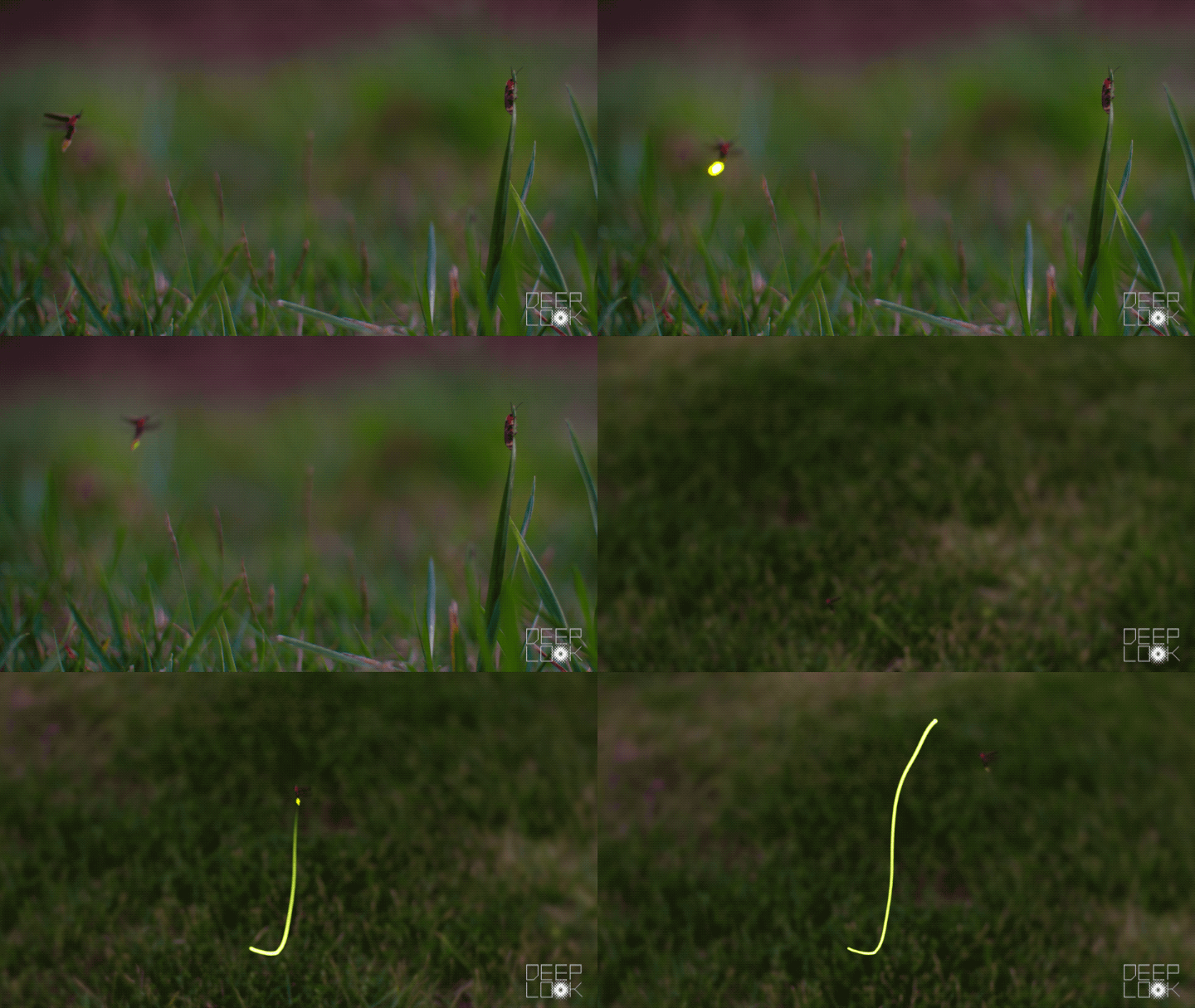
If you ever caught lightning bugs, it's likely you only caught the boys. The males fly around flashing, looking for a flash back. The females stay low to the ground and only flash back if they want the male to come closer. Our species of lightning bug has the nickname "Big Dipper" because the males do their flashing in this cool J-shape. Beetles in the Photinus genus, like ours, produce a distasteful toxin called lucibufagin to avoid predators. Females in the Photuris genus, which don't produce the toxin, will pretend to be in the same species as our toxic males to lure them in and eat them so they can be toxic themselves!
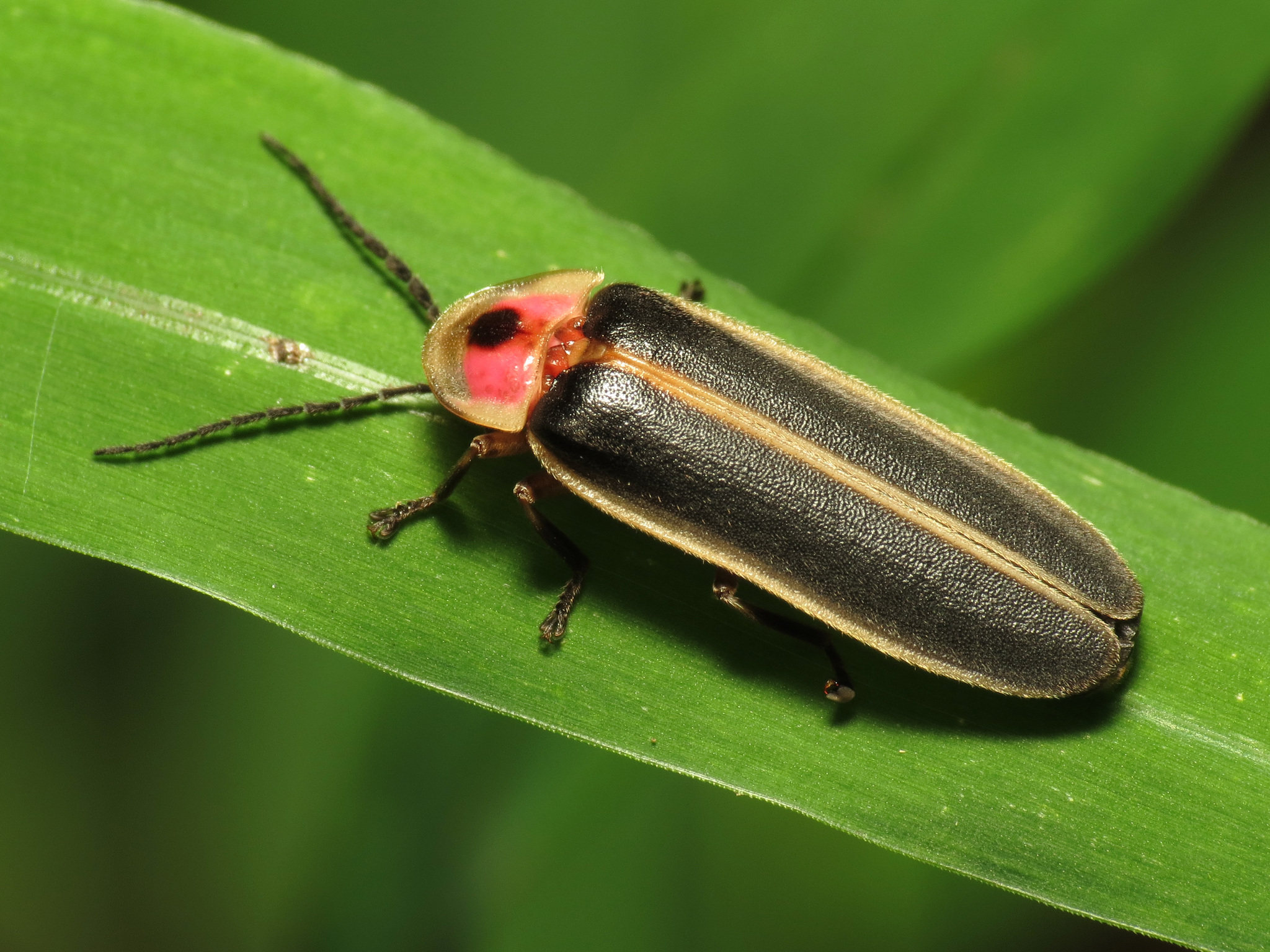
They're so pretty and iconic! I've been going through photos saying "Nope not you, not you, yep that's my friend." Take a good look, I might quiz you later!
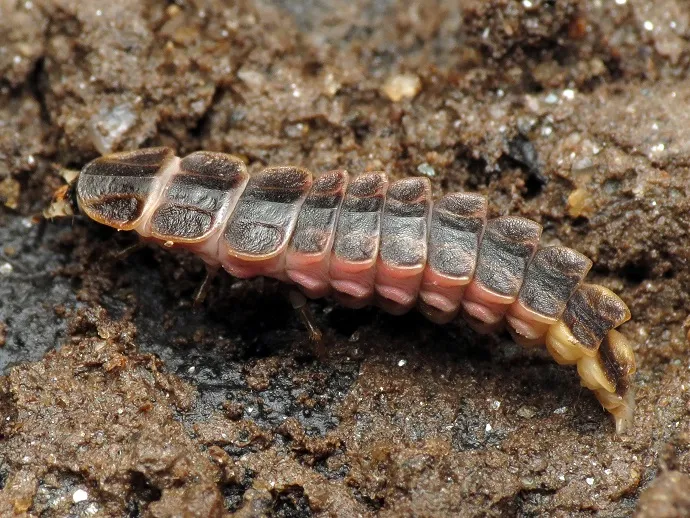
Lightning bugs spend most of their life in this ancient looking larval stage. They spend one or two years digging through the soil, devouring worms, snails, and other soft creatures. You can see at the end of the body, they have a lantern in the same place as adults. All firefly species have glowing larvae called glowworms! A lot of species lose this trait as they metamorphos into adults and some only keep their lanterns if they're female. When our lightning bug metamorphosizes, both males and females keep their lanterns and turn their backs on their violent youths to only drink nectar and eat pollen.
If you like seeing fireflies, you should personally and encourage others to take steps to preserve them. They spend two years in their larval stage in soil and leaf litter. Clearing all your leaves and spraying your yard with pesticides destroys their habitat and poisons their food. In their adult stage they live in and above the grass so keeping a tightly mowed lawn endangers them as well. Consider leaving parts of your land undisturbed or populated with native plants that could support other native species of insects and birds.
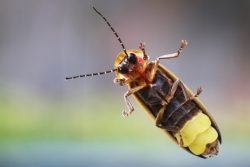
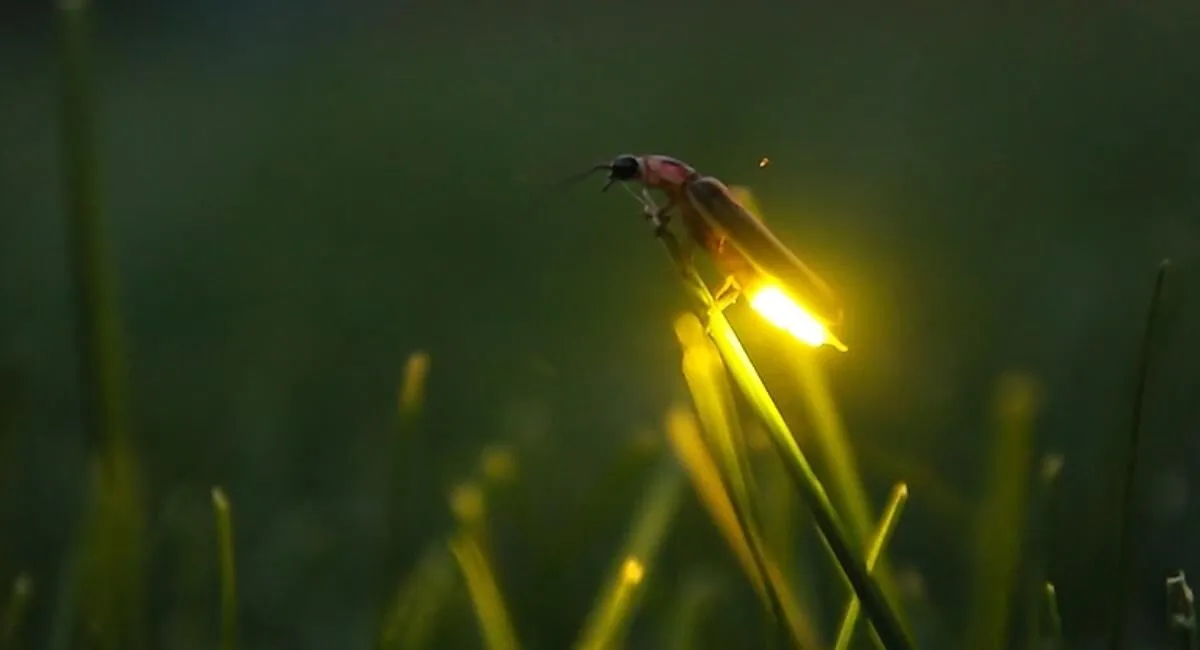
They glow by mixing the chemical luciferin with the enzyme that metabolizes it, luciferase, along with oxygen and ATP. The default state is actually to glow! They release nitric oxide to inhibit the reaction. I've seen and heard countless instances of this default glow like people swatting them or squishing them to paint their face. Sure enough, without inhibition they glow quite well. All of this happens in cells called photocytes on the belly side of the lantern. The back side of the lantern is made up of reflective cells that shine the light back forward out of the body.
POP QUIZ!: Which one is our Photinus pyralis?

I could not create a better creature, even conceptually. A fantasy writer could be shrugged off for writing something so contrived. It is so pleasant to live around. It has very few predators. It barely needs to eat. It spent years fighting other monsters underground before emerging. And now its just a little glowing light that kids can chase at sunset. It doesn't stink. It doesn't bite. It doesn't sting. It doesn't make noise. It just lives as a perfect little angel making the most beautiful part of the day more beautiful. Perfect Animal.