The Fat Jewler
Moon snail is the common name for the family Naticidae, a group of predatory snails dating back to the late Triassic. There are a lot of species of moon snail. Some are quite pretty, some are obese behemoths, and some are both! Most of them are so fat they just spill out and over their shell. I don't think they can use it for much protection.

Yeah, that whole thing is the snail. I spent a lot of time checking. They lay their eggs in a unique structure called "sand collars." They mix thousands of their eggs in with sand and a gelatinous goop to make something that looks like and feels like a discarded piece of plastic or rubber. I had to make double triple sure I wasn't fat-shaming a mother laying her eggs. But no, that big globluar glutton is 100% snail.
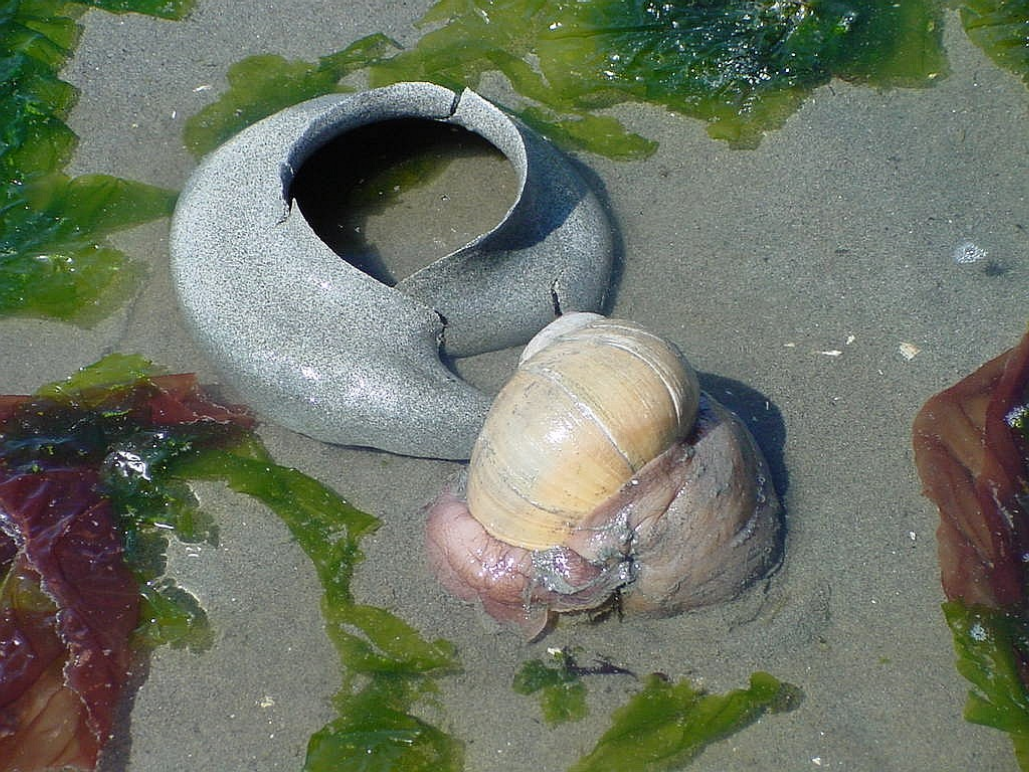
This beast is the bane of many invertebrates. It hunts sandy shores by smell looking for anything with a shell. When it finds clam, scallops, mussels, or even something as quick as a crab; it grabs it, digs it up, and starts licking it! Like many snails, it has a radula; a tongue covered in teeth. Lick by lick, it bores a hole in the shell. When it breaks through, it inserts its proboscus and injects hydrocloric acid inside. The animal inside is still alive and just got hit with the same stuff your stomach uses to digest your food! And the moon snail sucks back up the dissolved animal goo.
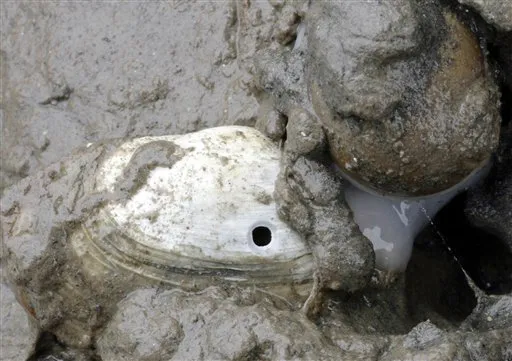
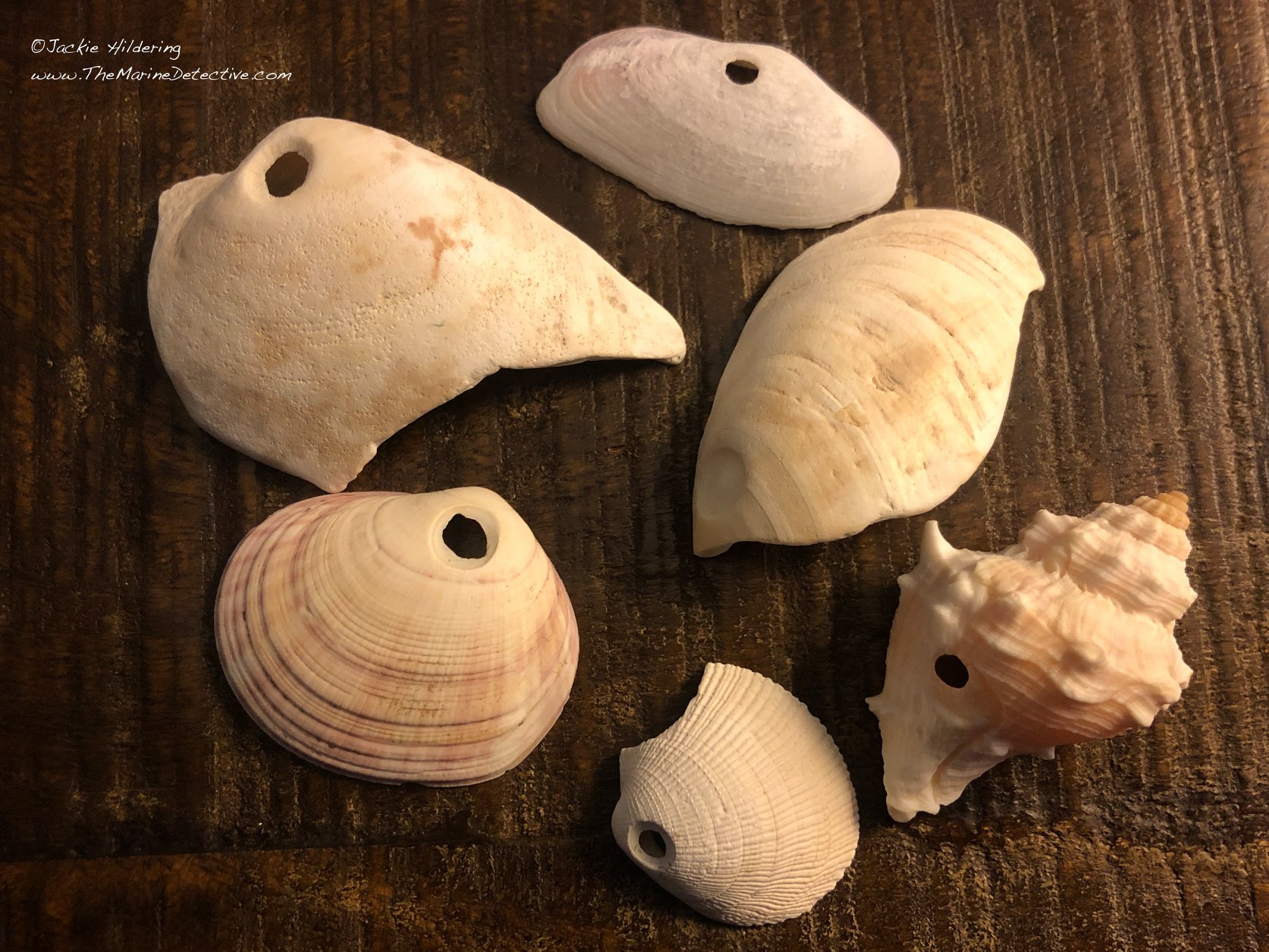
Well look at that! For as disgusting and painful a process as that was, that shell would make a really nice necklace! They make a piece of jewlery every time they eat. Maybe we should turn this review around.

The beautiful and hard working moon snail takes about a day to finish a craft and finds a new project to work on about once every four days. I can't keep up the rouse. They're cannibals! These big fat fatties can't even stop eating enough to leave each other alone. If it's got a shell it will be eaten within the next business day.
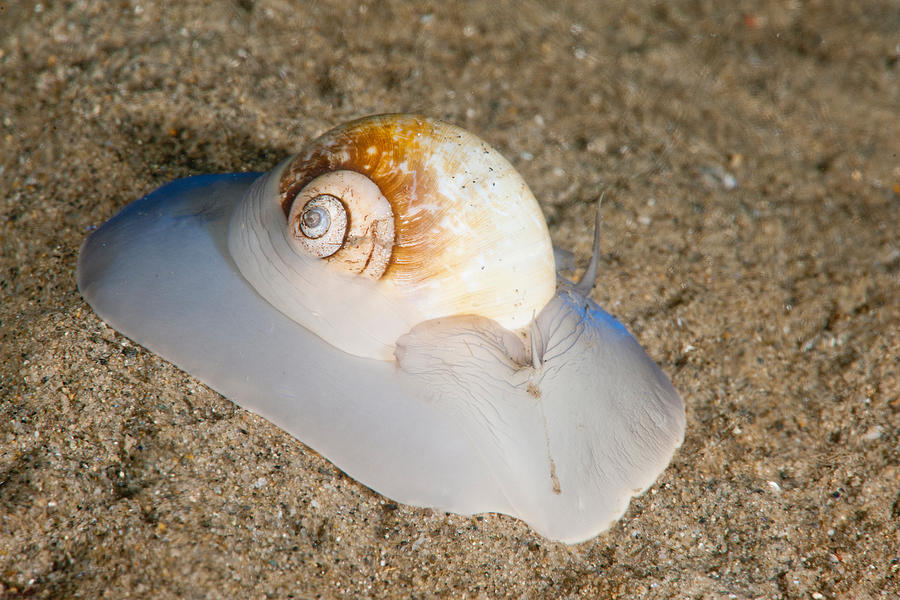
All in all, this is a good snail. I really can overlook the cruelty in its eating behavior. They have done nothing else since the Triassic. They go after the animals that others can't, keeping nutrients flowing and populations in check. In their lifetime, they'll leave behind three really cools signs that they're present; their shell, their food's necklace shells, and the sand collars full of their eggs. I could see a few of them running a small business or their food scraps being used as money in a fishman's economy. It's strange to say but they're a lot more patient than other snails I've seen.